Discover how ocean freight continues to anchor global trade, combining scale, cost savings, and new technologies for worldwide connectivity.
Even in a world of drones, jets, and instant deliveries, the ocean remains the backbone of global commerce. Ocean freight continues to handle the majority of international trade, moving everything from food to building materials.
Ocean Freight's Importance
Let’s explore why it remains essential.
Container Digitization Smart containers with GPS and sensors provide constant monitoring of temperature, location, and security. This technology minimizes spoilage and theft, particularly for sensitive cargo like produce and pharmaceuticals. Shippers now have peace of mind with greater control over ocean shipments.
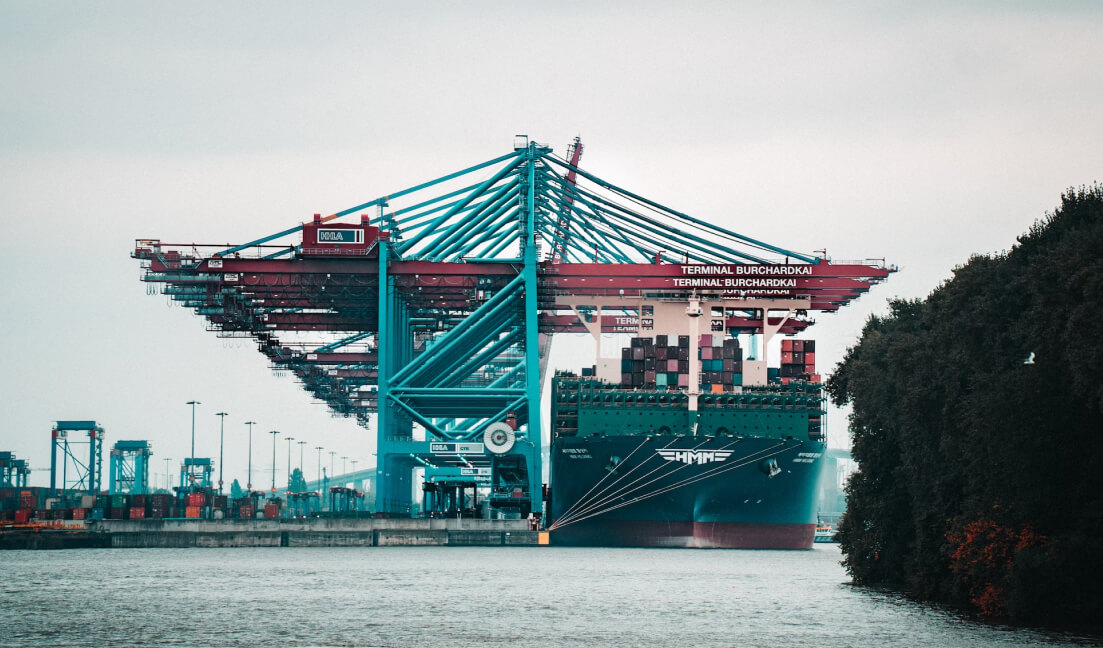
Mega Ships The rise of ultra-large container vessels has revolutionized trade efficiency. These ships carry thousands of containers, reducing shipping costs per unit and enabling economies of scale. While larger ships require advanced port infrastructure, the payoff in efficiency is enormous.
Sustainable Shipping Environmental concerns are reshaping maritime trade. Shipping companies are adopting cleaner fuels, eco-friendly designs, and carbon-cutting technologies. This transformation ensures that ocean freight remains sustainable without sacrificing its role as the world’s largest shipping channel.
Global Connectivity Ocean freight is unmatched in its reach, linking continents and remote locations that other modes can’t easily access. With trade routes spanning the globe, ocean shipping provides the connectivity needed to keep supply chains flowing.
Conclusion
Ocean freight is adapting to modern challenges, balancing scale, sustainability, and technology. It remains the foundation of global trade, ensuring goods move reliably and cost-effectively.
%20(1).png)

.png)




.png)